Serving Arlington, Alexandria, Fairfax, Falls Church, McLean, and surrounding Northern Virginia communities
Key Takeaways
- Property maintenance becomes stressful when it is reactive instead of planned
- Proactive systems reduce emergencies, costs, and tenant dissatisfaction
- Northern Virginia rentals face region-specific maintenance challenges
- A structured maintenance strategy protects both property value and cash flow
- Landlords gain peace of mind when maintenance is handled consistently and transparently
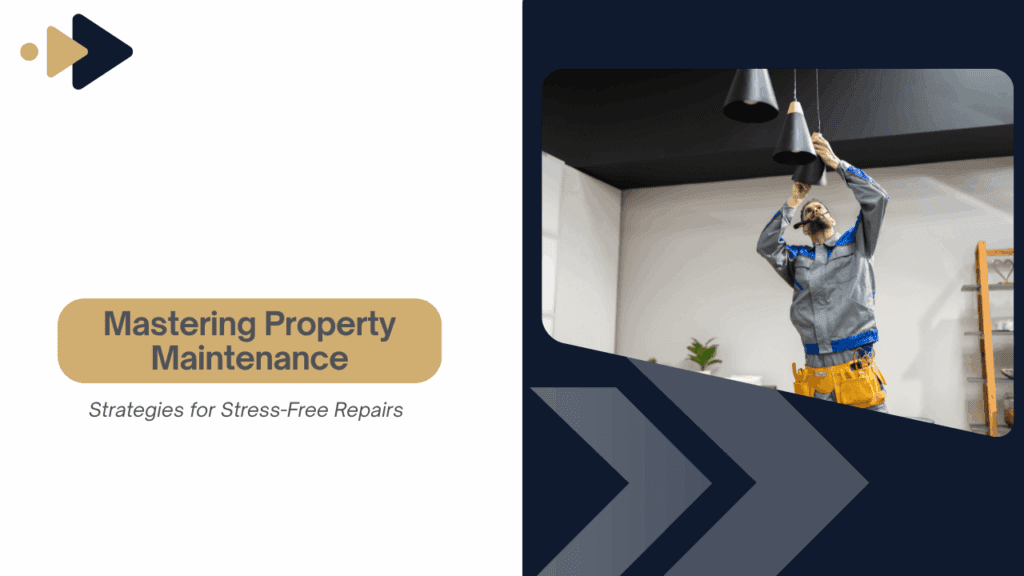
Owning rental property in Northern Virginia can be a strong long-term investment, but maintenance is often the biggest source of frustration for landlords. Unexpected repairs, tenant complaints, and unclear timelines can quickly turn a rental into a constant source of stress.
The good news is that most maintenance problems are predictable. Stress-free property maintenance is not about avoiding repairs altogether. It is about having the right systems in place so repairs are handled efficiently, consistently, and without constant owner involvement.
This guide explains how landlords can approach maintenance strategically, reduce surprises, and create a more stable and manageable rental experience.
Why Property Maintenance Feels So Stressful for Landlords
Maintenance issues rarely happen at convenient times. A leaking pipe, broken HVAC system, or electrical issue can demand immediate attention and disrupt both tenant comfort and owner schedules.
Many landlords struggle with maintenance stress for several reasons:
- Repairs feel urgent and unplanned
- Contractors are difficult to schedule or inconsistent
- Costs vary widely from one repair to the next
- Tenants expect fast responses and clear communication
- Owners lack visibility into what is happening on-site
For self-managing landlords or out-of-area owners, these challenges are even more pronounced. Without reliable systems, maintenance becomes reactive and emotionally draining rather than manageable.
The True Cost of Reactive Maintenance
Reactive maintenance focuses on fixing problems only after they occur. While this may seem cost-effective in the short term, it often leads to higher expenses and increased stress over time.
Small issues that are ignored can escalate into major repairs. A minor plumbing leak can cause water damage. Deferred HVAC servicing can result in full system failure. These situations increase repair costs, disrupt tenants, and create avoidable emergencies.
Reactive maintenance also impacts tenant satisfaction. Delayed responses or repeated issues can lead to frustration, early move-outs, and higher turnover. Over time, this instability affects rental income and long-term property value.
Core Elements of a Stress-Free Maintenance Strategy
Effective maintenance does not rely on luck or constant owner involvement. It is built on systems that prevent problems, respond quickly when issues arise, and keep everyone informed.
Proactive Inspections and Preventative Care
Routine inspections help identify wear and tear before it becomes a serious issue. Preventative maintenance allows landlords to schedule repairs on their own timeline rather than reacting to emergencies.
Regular checkups also provide documentation that repairs were addressed promptly, which is helpful for both tenant relationships and long-term planning.
Clear Maintenance Response Procedures
Stress increases when it is unclear how maintenance requests are handled. A defined process helps ensure consistency.
This includes:
- Clear guidelines for routine versus urgent issues
- Response timelines that tenants understand
- A system for tracking requests and updates
When expectations are set early, tenants feel supported and owners avoid unnecessary escalation.
Reliable Vendor and Repair Management
Consistent maintenance requires reliable professionals. Trusted vendors reduce delays, control costs, and ensure repairs are completed correctly.
Effective oversight ensures work meets quality standards and repairs are documented properly. This level of coordination is essential for maintaining long-term property condition.
Maintenance Challenges Specific to Northern Virginia Rentals
Northern Virginia properties face unique maintenance considerations that landlords must plan for.
Many homes in Arlington, Alexandria, and Fairfax include older construction that requires proactive care. Seasonal weather brings humidity, winter freezes, and summer heat that strain plumbing, roofing, and HVAC systems.
Condominium and townhome rentals often involve coordination with homeowners associations, which adds another layer of communication and compliance. Local inspection requirements and safety standards also vary by jurisdiction.
Understanding these regional factors helps landlords anticipate maintenance needs instead of reacting to them.
How the Right Maintenance System Protects Property Value
Maintenance directly affects long-term property performance. Well-maintained rentals experience fewer vacancies, lower turnover, and more predictable expenses.
Preventative care reduces deferred maintenance, which preserves both appearance and structural integrity. Tenants are more likely to renew leases when they feel their concerns are addressed promptly and professionally.
Over time, consistent maintenance supports appreciation and reduces the risk of costly capital repairs. For landlords focused on long-term returns, this stability is essential.
When Maintenance Management Breaks Down
Maintenance systems often fail quietly before problems become obvious. Common warning signs include:
- Repeated emergency repairs
- Rising costs without clear explanations
- Poor communication with tenants
- Missed inspections or unresolved issues
- Owners feeling out of the loop
When these patterns appear, it is usually a sign that maintenance is being handled reactively rather than strategically.
Creating a Maintenance Plan That Works Long Term
A sustainable maintenance plan includes:
- Documented procedures for inspections and repairs
- Clear communication standards
- Reliable tracking systems
- Periodic reviews to identify patterns and improvements
Landlords who treat maintenance as an ongoing process rather than a series of isolated repairs experience fewer disruptions and more predictable outcomes.
Frequently Asked Questions About Rental Property Maintenance
How often should rental properties be inspected?
Most rentals benefit from routine inspections at least once or twice per year, in addition to move-in and move-out assessments.
What maintenance issues qualify as emergencies?
Problems involving heat, water, electricity, or safety generally require immediate attention.
Can preventative maintenance really reduce costs?
Yes. Addressing small issues early often prevents larger and more expensive repairs later.
How involved do landlords need to be?
With the right systems in place, owners can stay informed without managing day-to-day repairs themselves.
Final Thoughts
 Property maintenance does not have to be unpredictable or overwhelming. Stress-free maintenance comes from planning, consistency, and clear systems.
Landlords who approach maintenance strategically protect their properties, support tenant satisfaction, and reduce long-term costs. With the right structure in place, maintenance becomes a manageable part of ownership rather than a constant source of stress.
For Northern Virginia landlords who want predictable outcomes and peace of mind, a structured maintenance approach makes all the difference.
Schedule a consultation
Serving Arlington, Alexandria, Fairfax, Falls Church, McLean, and surrounding Northern Virginia communities
