Serving Arlington, Alexandria, Fairfax, Falls Church, McLean, and surrounding Northern Virginia communities
Key Takeaways
- Certain maintenance issues appear repeatedly in Northern Virginia rental properties
- Climate, housing age, and property type contribute to recurring problems
- Early awareness helps landlords reduce disruptions and repeat repairs
- Prevention focuses on monitoring patterns rather than reacting to breakdowns
Every rental market has its own maintenance patterns. In Northern Virginia, a mix of older housing stock, changing seasons, and high tenant turnover creates a predictable set of property maintenance challenges.
These issues rarely appear out of nowhere. Most develop gradually and repeat across properties when underlying causes are not addressed. Landlords who understand what problems are common in this region are better equipped to prevent them, reduce tenant disruption, and protect long-term property value.
This guide outlines the most common property maintenance issues seen in Northern Virginia rentals and explains how awareness and planning can help reduce their frequency.
Why Some Maintenance Issues Are Common in Northern Virginia
Northern Virginia’s rental market includes everything from older single-family homes to modern condominiums and townhomes. Many properties were built decades apart, using different materials and systems.
Seasonal temperature swings place additional strain on heating, cooling, and plumbing systems. In areas with high tenant mobility, frequent move-ins and move-outs also increase wear on appliances and fixtures.
These factors combine to create maintenance patterns that repeat across the region. Understanding those patterns is the first step toward prevention.
HVAC Performance Issues
Heating and cooling systems are one of the most frequent sources of maintenance requests in Northern Virginia rentals.
Hot summers and cold winters push HVAC systems to operate near capacity for extended periods. In older homes, aging equipment may struggle to keep up with demand. Common warning signs include inconsistent temperatures, unusual noises, and frequent service calls.
When HVAC issues are addressed only after failures occur, repairs tend to repeat. Early attention to performance trends helps reduce breakdowns and tenant complaints.
Plumbing and Water-Related Problems
Plumbing issues are another recurring challenge, particularly in properties with older piping materials.
Slow leaks, recurring clogs, and inconsistent water pressure often indicate developing problems rather than isolated incidents. Over time, untreated water issues can lead to damage behind walls, under floors, or in ceilings.
Monitoring plumbing performance and tracking repeated service calls helps landlords identify when a minor issue is becoming a larger concern.
Moisture, Mold, and Ventilation Concerns
Moisture-related issues are common in Northern Virginia due to humidity and seasonal weather changes.
Bathrooms, kitchens, basements, and laundry areas are frequent trouble spots. Poor ventilation, minor leaks, or condensation can allow moisture to accumulate gradually.
When moisture issues are not identified early, they can contribute to mold growth or material deterioration. Awareness and early observation help reduce long-term damage and tenant complaints.
Electrical Wear and Safety Concerns
Electrical systems often receive attention only when something stops working. In older properties, wiring and panels may not have been designed to handle modern electrical demand.
Repeated breaker trips, flickering lights, or warm outlets can signal wear or stress within the system. Ignoring these signs can lead to recurring issues or safety concerns.
Tracking electrical issues over time helps landlords determine when professional evaluation is appropriate.
Exterior Wear and Weather Exposure
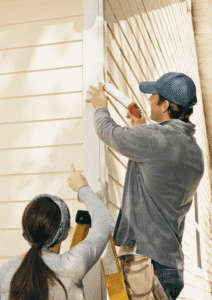
Exterior components protect the entire structure of a property. Roofing, siding, trim, and drainage systems are exposed to weather year-round.
Small exterior issues such as loose shingles, clogged gutters, or deteriorating trim can allow water intrusion that leads to interior damage. Because these problems often develop gradually, they may go unnoticed until repairs become more extensive.
Routine observation helps prevent minor exterior wear from turning into costly interior repairs.
Appliance Failures and Wear
Appliances experience heavy use in rental properties and are a frequent source of maintenance requests.
Repeated repairs on the same appliance often signal that replacement may be more effective than continued fixes. Tracking appliance age, repair history, and performance trends helps landlords plan replacements before failures disrupt tenants.
Appliance-related issues tend to repeat when decisions are made in isolation rather than based on long-term patterns.
How Prevention Reduces Recurring Maintenance Problems
Prevention does not mean eliminating maintenance issues entirely. It means reducing how often the same problems occur.
Landlords who document repairs, monitor recurring issues, and address root causes experience fewer surprises. Instead of responding to the same issues repeatedly, they can plan repairs and improvements more strategically.
Prevention focuses on awareness, consistency, and follow-through rather than constant intervention.
Common Mistakes Landlords Make
Even experienced landlords can fall into reactive patterns. Common mistakes include:
- Treating recurring problems as isolated events
- Delaying attention to small issues indefinitely
- Failing to document repairs and observations
- Overlooking regional maintenance patterns
These mistakes increase the likelihood that issues will repeat.
Frequently Asked Questions
Are these issues more common in older properties?
Older properties tend to experience more system-related issues, but newer homes can still develop recurring problems if wear and usage are not monitored.
Do condos face different maintenance problems than single-family homes?
Yes. Condos often involve shared systems and association coordination, which can affect how maintenance issues are addressed.
Can preventative maintenance reduce recurring issues?
Yes. Many recurring problems begin as minor issues that could have been addressed earlier.
How can remote landlords stay ahead of these problems?
Consistent documentation, regular oversight, and clear communication help remote landlords identify patterns and respond proactively.
Final Thoughts
 Recurring maintenance issues are not random. In Northern Virginia, they follow predictable patterns influenced by climate, housing age, and property type.
Landlords who understand these patterns are better positioned to prevent repeat problems, reduce tenant disruption, and protect their investments. Awareness and planning are often more effective than reacting after systems fail.
Schedule a consultation
Serving Arlington, Alexandria, Fairfax, Falls Church, McLean, and surrounding Northern Virginia communities
