In Virginia, landlords are legally required to provide rental housing that is safe, structurally sound, and fit for human habitation, but not every maintenance issue rises to the level of a legal habitability violation.
For rental owners operating in Northern Virginia property management, understanding the difference between cosmetic concerns and true habitability problems is critical to reducing disputes, avoiding legal exposure, and protecting long-term rental income.
This guide explains what habitability means in practical terms, where landlords commonly misunderstand their obligations, and how structured management processes reduce risk.
What “Habitability” Legally Means in Virginia
Virginia law requires landlords to maintain rental property in a condition that is safe and suitable for living. This standard focuses on health and safety, not aesthetics.
Virginia landlords must maintain essential building systems.
Habitability standards prioritize safety and functionality over appearance.
In practice, this means the property must provide:
- Safe structural integrity
- Functioning plumbing and water systems
- Working electrical systems
- Reliable heating
- Protection from serious health hazards
The law sets minimum standards. It does not require upgrades, renovations, or modern finishes. A property can be legally habitable without being newly updated.
Where confusion often arises is in distinguishing inconvenience from uninhabitability.
Issues That Commonly Qualify as Habitability Problems
Some conditions clearly affect health and safety and are likely to create legal exposure if not addressed promptly.
Structural and Safety Concerns
- Significant roof leaks causing interior damage
- Broken exterior doors or windows that compromise security
- Structural instability or unsafe flooring
These issues affect safety and must be addressed quickly.
Plumbing and Water
- No running water
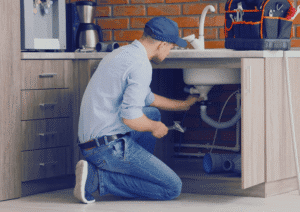
- Major plumbing leaks
- Sewer backups
Water access and sanitation are core habitability requirements.
Electrical Systems
- Unsafe wiring
- Electrical hazards
- Loss of power affecting essential systems
Electrical defects that create safety risks can escalate quickly.
Heating and Climate Control
- Lack of heat during winter months
- Unsafe heating equipment
In Northern Virginia, heating failures during cold weather can quickly become habitability concerns.
Health Hazards
- Significant mold linked to moisture intrusion
- Pest infestations that affect safety
- Environmental hazards that threaten occupant health
Severity and impact matter. A minor cosmetic issue rarely creates habitability exposure. A condition that threatens safety often does.
Issues That Typically Do Not Qualify as Habitability Violations
Not every tenant complaint creates a legal violation.
Examples that generally fall outside habitability standards include:
- Worn or aging carpet
- Minor drywall blemishes
- Small nail holes
- Faded paint
- Appliances that function but are outdated
Cosmetic dissatisfaction is not the same as legal uninhabitability.
Understanding this distinction protects landlords from overreacting to non-legal issues while still responding appropriately to legitimate concerns.
Response Time and Documentation Matter
A repair issue does not automatically create legal liability. Delay and poor documentation often do.
Landlords must respond to serious repair issues within a reasonable timeframe. Maintenance documentation protects landlords in disputes.
Emergency issues require immediate attention. Non-emergency issues should still be tracked, scheduled, and documented.
Clear communication is critical. Written confirmation of repair requests, vendor dispatch, and resolution dates reduces conflict and protects enforceability.
Inconsistent or informal repair handling often creates larger disputes than the original maintenance problem.
When Habitability Disputes Escalate
Habitability concerns can escalate when communication breaks down.
Tenants may believe they can withhold rent for unresolved maintenance issues. Landlords may assume that minor delays are harmless.
In reality, disputes often center on:
- Whether the issue affected safety
- Whether the landlord responded reasonably
- Whether documentation supports either side
Courts frequently examine process rather than intent.
A landlord who can demonstrate prompt response and documented action is in a stronger position than one who cannot produce records.
Preventative Maintenance and Habitability Risk
Many habitability disputes are preventable.
Preventative inspections reduce habitability disputes.Structured maintenance systems improve response consistency.
Routine inspections allow landlords to identify small issues before they become safety hazards. Proactive HVAC servicing, plumbing inspections, and roof evaluations reduce emergency repairs.
In Northern Virginia property management, preventative maintenance is not simply about preserving asset value. It reduces legal exposure.
How Professional Northern Virginia Property Management Reduces Habitability Risk
Virginia law defines minimum standards. Professional management builds operational systems around those standards.
Consistent maintenance tracking, documented vendor coordination, and timely follow-up make habitability concerns easier to resolve before they escalate.
Consistency is what reduces risk.
For rental owners managing multiple properties or operating from outside the area, systemized Northern Virginia property management ensures that maintenance response and documentation meet legal expectations while protecting long-term performance.
Frequently Asked Questions
What makes a rental property legally uninhabitable in Virginia?
A property may be considered uninhabitable if conditions affect health or safety, such as lack of heat, major plumbing failures, or structural hazards.
Is mold always considered a habitability issue?
Mold that results from significant moisture intrusion and affects health may create a habitability concern. Minor surface mildew typically does not.
How quickly must landlords fix heating problems?
Heating issues during cold weather should be addressed promptly, as they can impact safety and livability.
Can tenants withhold rent for maintenance problems?
Tenants cannot automatically withhold rent. Disputes over maintenance must follow legal procedures.
Are cosmetic issues considered habitability violations?
No. Cosmetic wear and tear does not typically rise to the level of legal uninhabitability.
Minimum Standards Protect Maximum Value
 Habitability requirements define the baseline for safe housing, but proactive maintenance protects far more than legal compliance. It preserves property condition, strengthens tenant retention, and supports long-term investment performance.
Addressing issues early, documenting repairs, and maintaining consistent response timelines prevent small problems from becoming expensive setbacks.
If you want structured maintenance oversight built into your Northern Virginia property management strategy, our team can help you protect both compliance and property value.
